Leak Detection in Hurst, TX
Don’t let a hidden leak lead to costly water damage or higher utility bills. We specialize in professional leak detection services for homeowners in Hurst, TX, and throughout the DFW Metroplex. Using advanced techniques, we accurately locate leaks and recommend effective repair solutions. Fast service. Lasting results.
Expert Leak Detection to Protect Your Home and Plumbing
Plumbing leaks waste water, drive up your bill, and quietly damage the structure around them, often for weeks before anything obvious appears. Matrix Plumbing is the dedicated leak detection expert serving Hurst, with the specialized equipment and decades of combined experience to find leaks fast and accurately.
Our team has built its name on solving the hardest plumbing leak problems in the area, and insurance carriers and homeowners alike trust us to track a leak to its exact source.
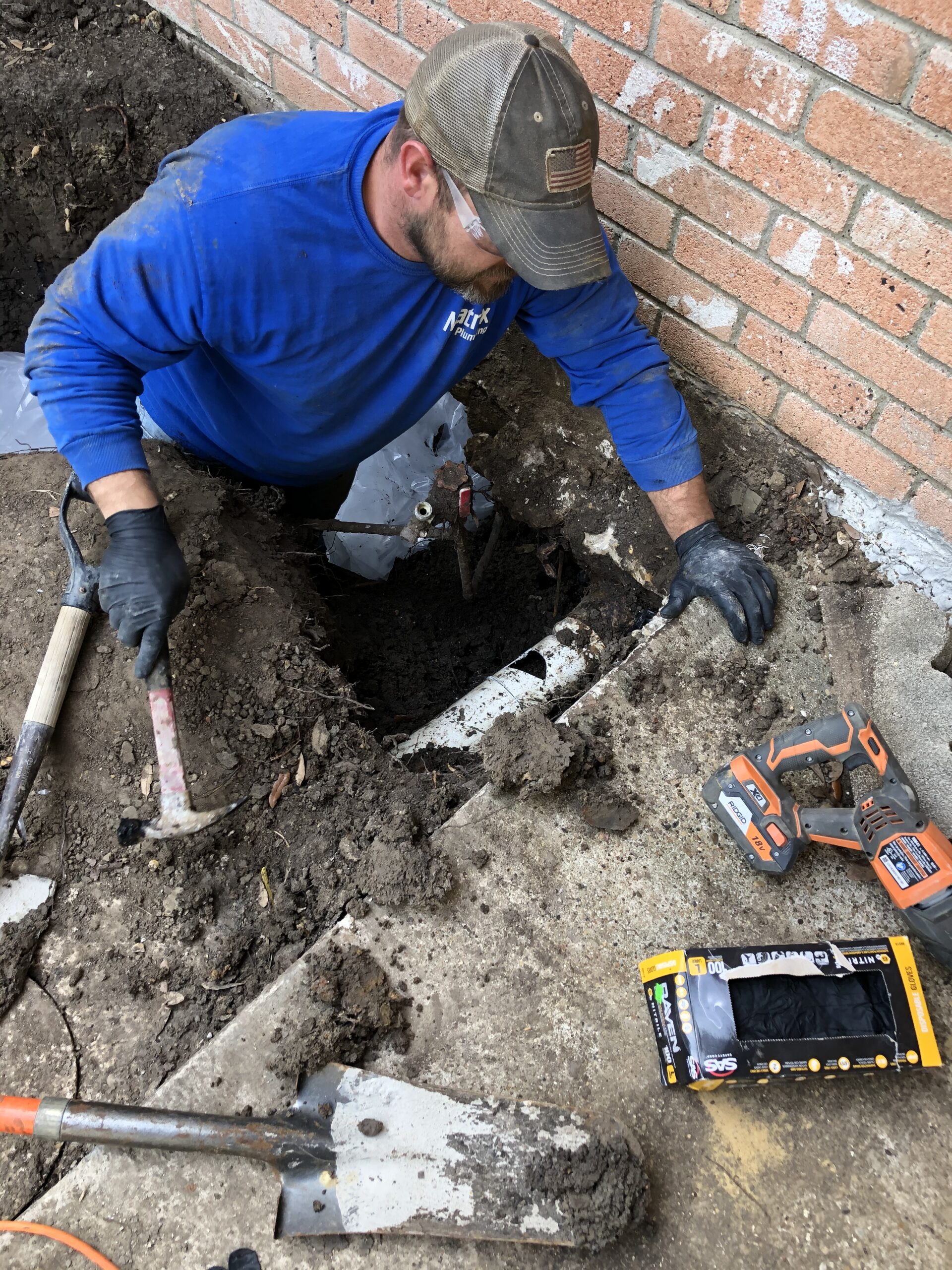
How Can I Tell If I Have a Hidden Leak? Complete Guide to Detecting Water Leaks
Hidden plumbing leaks can be identified through warning signs including unexplained spikes in your water bill (primary indicator), the sound of running water when no fixtures are in use, warm spots on floors indicating hot water line leaks, new cracks in walls or foundation, damp or discolored spots without obvious sources, persistent musty odors, low water pressure throughout the home, and visible mold or mildew growth where moisture shouldn’t exist. Professional leak detection using specialized equipment pinpoints exact leak locations without guesswork.
Why Early Detection Matters:
Hidden plumbing leaks are one of the most costly surprises homeowners face. They silently damage your home’s structure while wasting thousands of gallons of water. A small leak can cost you $1,000-2,000 in water waste annually. A slab leak can cause $10,000+ in foundation and structural damage if left undetected. The key to protecting your home is recognizing warning signs early, before silent water damage becomes catastrophic. Learn more about our complete Plumbing Services to keep your home’s plumbing system operating safely and efficiently.
8 Warning Signs You Have a Hidden Leak
- Sudden Spike in Water Bill (Most Reliable Indicator)
A sharp, unexplained increase in your water bill is the #1 warning sign of a hidden leak. Compare bills month-to-month and look for changes of 20% or more.
Understanding Your Water Usage:
- Average household: 3,000-5,000 gallons monthly
- Family of four: 5,000-8,000 gallons monthly
- Any bill 30%+ above normal indicates a leak
Why this matters: A single pinhole leak in a copper water line can waste 250+ gallons daily—that’s 7,500 gallons monthly and $30-50+ increase on your bill.
Action: If your bill spiked without increased usage (more showers, yard watering, etc.), a hidden leak is likely. Call for professional leak detection immediately.
- The Sound of Running Water When No Fixtures Are Active
Listen to your home carefully. If you hear the sound of running water when every faucet is off and toilets are not running, water is flowing where it shouldn’t.
Where to listen:
- In walls or under floors
- At the water meter
- Near the foundation
- In basements or crawl spaces
Why this happens: Water rushing through pipes under pressure creates sound. When you hear this with everything off, water is escaping through a break or hole in the plumbing system.
Action: Note where the sound is loudest. This helps technicians narrow the location. Call for professional diagnosis.
- Warm Spots or Hot Areas on Floors (Slab Leak Indicator)
Walk barefoot across your home’s floors, especially near hallways, bedrooms, and kitchen. Unusual warm spots indicate a hot water line leaking beneath the concrete slab.
Why this happens: Hot water lines beneath concrete radiate heat upward when they leak. The warm spot marks approximately where the leak is occurring.
Hurst-specific concern: Homes on concrete slabs are particularly vulnerable to slab leaks. Early detection prevents catastrophic foundation damage.
Action: Mark the location of warm spots and photograph them. These visual clues help professionals target leak detection efforts precisely.
- New Cracks in Walls, Floors, or Foundation
Water from slab leaks undermines soil beneath your home, causing foundation shifting and structural cracks.
Types of cracks that indicate problems:
- Diagonal cracks in drywall or plaster
- Cracks radiating from corners
- Visible gaps between walls and trim
- Cracks in concrete floors
- Obvious foundation cracks or settling
Why this occurs: As soil beneath the slab becomes saturated and shifts, the foundation moves slightly, creating stress cracks in the structure above.
Hurst-specific concern: Many Hurst homes are 40+ years old on concrete slabs. Foundation cracks combined with other leak signs demand immediate professional inspection.
Action: If you notice new cracks, don’t assume it’s normal settling. Schedule a professional slab leak repair inspection to determine whether a hidden leak is causing the damage.
- Damp Spots, Discoloration, or Water Stains (Behind-Wall Leaks)
Look for unexplained moisture, staining, or discoloration on walls, ceilings, or floors. These indicate water is leaking from pipes or drains inside walls or above ceilings.
What to look for:
- Brown, yellow, or rust-colored stains on walls or ceilings
- Wet spots on walls with no obvious water source
- Bubbling or peeling paint/wallpaper
- Soft spots in drywall
- Water marks on baseboards or trim
Why this matters: Water inside walls causes mold growth, structural damage, and electrical hazards. This damage worsens rapidly without intervention.
Action: Mark the location and take photos. Water stains help technicians identify which pipes need inspection.
- Persistent Musty Odors (Mold Development from Hidden Moisture)
A persistent musty smell in one area of your home usually indicates moisture from a hidden leak feeding mold or mildew growth.
Where musty smells indicate problems:
- In a specific room consistently
- Coming from walls or ceiling
- Worse in humid weather
- Present even after cleaning
Why this happens: Moisture from hidden leaks creates the perfect environment for mold and mildew. These organisms produce the distinctive musty odor.
Health concern: Mold from leaks poses respiratory risks to family members, especially children and those with allergies.
Action: If a musty smell is localized to one area, investigate immediately. Professional leak detection can identify the water source before extensive mold remediation becomes necessary.
- Low Water Pressure Throughout Your Home (Leak Reducing Available Pressure)
If your water pressure suddenly decreases throughout the home (not just one fixture), a leak is likely drawing water away.
Low pressure problems:
- Weak flow from showers
- Faucets deliver less water
- Affected on both hot and cold sides (indicates main line leak)
- Pressure drops are consistent across fixtures
Why this occurs: A leak in your main water supply line before it reaches your home’s fixtures allows water to escape, reducing the pressure available to your fixtures.
Different scenarios:
- If only hot water pressure is low: hot water line leak
- If only cold water pressure is low: cold water line leak
- If both are low: likely main supply line leak
Action: Check pressure at multiple faucets to confirm it’s a system-wide issue. Call for leak detection to locate the problem before water damage escalates.
- Visible Mold or Mildew Growth Without an Obvious Water Source
Mold appearing in your home without an obvious cause frequently traces back to a hidden water leak providing the moisture mold needs to grow.
Red flag mold locations:
- Under sinks (if not from visible drips)
- In crawl spaces or basements
- In closets against exterior walls
- Around toilet bases
- In HVAC ducts or attic areas
Why mold indicates hidden leaks: Mold requires moisture to grow. If you’re seeing mold without obvious water damage or high humidity, a hidden leak is feeding it.
Action: Don’t just clean the mold. Address the underlying leak causing the moisture. Professional leak detection identifies the water source so the problem can be solved permanently.
The Meter Test: DIY Leak Detection Before Calling a Professional
Before investing in professional leak detection, try this simple test to confirm water is being lost:
How to Perform the Meter Test:
- Locate your water meter (usually at the property line or in a basement)
- Turn off all water in your home (shut off all faucets, ensure toilets aren’t running)
- Note the meter reading (write down the number)
- Wait 2-3 hours without using water
- Check the meter again (if the number changed, you have a leak)
If the meter number increased without any water use, a leak is confirmed. The larger the change, the more serious the leak.
This DIY test is helpful but isn’t diagnostic. Professional leak detection equipment locates exactly where the leak is occurring so repair can be targeted accurately.
So What's in a "Leak Test?"
Hydrostatic Pressure Testing
This type of test is performed on the sanitary sewer system of your home. Using an inflatable ball that is inserted into the mainline sewer clean out, the plumber will inflate the ball to plug the sewer line. The leak detection expert then fills the sewer system with water up to the level of the slab, for 10-15 minutes and just watches what the water level does at this point. If the water does not rise to the slab or the water level goes down, you have a leak in the sanitary sewer system. The leak detection expert will then identify the leaks by using a video camera, static leak isolation and general inspection of the pipe. A camera is put into the system through several areas including cleanouts, toilet drains, even the vents on your roof! Knowing the depth of the plumbing pipe and having the camera both assist the plumber to locate the issues in the system which can be related to breaks in the line, clogging, old and deteriorated pipes.
Water Leak Detection
Once we narrow down the location of the leak or leaks to specific areas, we are then able use tracing equipment to detect the exact spot of the leak.
Static Isolation Testing
Static leak isolation is a method of testing that utilizes a combination of location methods, generally to find leaks in different areas of the plumbing network. Using a camera along with the hydrostatic pressure testing, the leak detection expert will “isolate” where the issues are in the sewer system. Matrix Plumbing also uses a unique digital program that creates a diagram of the plumbing sewer system for the home in real time!
Video Camera Inspection
Video camera equipment is used to perform sewer or drain camera inspection of the sanitary sewer system. This is an infrared camera and it is inserted into the plumbing system through roof vents, toilet drains, even cleanouts to observe and study the sub-slab drain system. By using the infrared camera, the obstructions, stoppages, breaks, or deteriorated pipes can be determined.
NON-INVASIVE DETECTION METHODS
Will a Plumber Have to Destroy My Floors or Walls? Non-Invasive Leak Detection Methods
Short Answer: In most cases, no. Modern leak detection uses specialized equipment to pinpoint leaks accurately without tearing out floors, walls, or landscaping. However, repair of the leak may require some access, but detection itself is non-destructive.
This is one of the most common homeowner concerns about leak detection. The fear of coming home to torn-up flooring or broken walls often makes homeowners hesitate to get leaks professionally diagnosed. Understanding modern leak detection technology can ease this concern.
Non-Invasive Leak Detection Technology
Acoustic Leak Detection Equipment:
Our leak detection specialists use sensitive acoustic listening equipment that detects the sound of water escaping from pipes under pressure.
How it works:
- Amplifies the sound of escaping water (pinhole leaks make distinctive sounds)
- Technician moves the listening device across floors, walls, and landscaping
- Pinpoints leak location to within a few feet
- No drilling, tearing, or demolition required
When used: Effective for finding water supply line leaks before they damage structures.
Electromagnetic Pipeline Locating:
Specialized equipment traces the route of buried water lines and helps identify blockages and breaks.
How it works:
- Traces the path of water/sewer lines under concrete slabs
- Maps the system before targeted leak detection
- Identifies the depth of pipes
- Shows where problematic areas are located
When used: Essential for slab leak detection to avoid unnecessary concrete cutting.
Thermal Imaging (Infrared Cameras):
Heat-sensitive cameras identify temperature variations that indicate water flow or moisture.
How it works:
- Detects warm spots on floors (hot water line leaks)
- Identifies moisture behind walls (appears as temperature differences)
- Shows areas of water seepage without visible water
- Works through surfaces without damage
When used: Particularly effective for locating slab leaks and behind-wall moisture.
Video Camera Inspection:
High-definition cameras inserted through existing cleanouts, vents, or access points allow direct observation of pipes without demolition.
How it works:
- Camera travels through sewer and drain lines via existing openings
- Real-time video shows pipe condition, breaks, cracks, and blockages
- Digital recording and photographs document findings
- No wall or floor cutting required for inspection phase
When used: Standard for sewer and drain line leak detection.
Smoke Testing:
Specialized smoke is introduced into the sewer system to identify breaks and cracks.
How it works:
- Smoke escapes through breaks in sewer lines
- Technician follows the smoke to identify exact locations
- Non-invasive diagnostic method
- Helps pinpoint multiple leaks simultaneously
When used: Used specifically for sewer line problems and identifying entry points.
Tracer Gas Leak Detection:
A harmless, odorless gas is introduced into the plumbing system, then specialized equipment detects where it escapes.
How it works:
- Gas travels through pressurized water lines
- Escapes at points where water leaks
- Extremely sensitive detection pinpoints exact location
- No demolition required for detection
When used: For water supply line leaks in walls, slabs, or difficult-to-access areas.
The Non-Invasive Detection Process
Step 1: Initial Assessment
We discuss where you’ve noticed warning signs, any unusual water bills or sounds, and review your home’s plumbing layout. This narrows our search area significantly.
Step 2: Non-Invasive Scanning
Using acoustic, thermal, or electromagnetic equipment, we scan the suspected areas without disturbing your home. We map the location of pipes and identify anomalies that indicate leaks.
Step 3: Pinpoint Identification
Once we’ve narrowed the location, we use multiple detection methods to pinpoint the exact spot of the leak. Our digital mapping shows the precise location.
Step 4: Documentation
We provide photographs, thermal images, video, or diagrams showing exactly where the leak is located.
When Some Access Might Be Needed
In rare cases, minimal, targeted access may be helpful:
Accessing Clean-Outs: We may open existing sewer clean-out ports (which are designed for access) to run video cameras through the system.
Roof Vent Access: For drain system inspection, we may access roof vents (which are already open to the weather).
Crawl Space or Attic Access: If your home has existing crawl space or attic access, we use these existing openings for inspection.
Meter Pit Inspection: We access your water meter pit (which is designed for access) to help pinpoint main line leaks.
These existing access points allow inspection without creating new holes or damage.
Repair vs. Detection: Understanding Access Needs
Important distinction: Non-invasive leak detection rarely requires breaking walls or floors. However, once we identify the leak location, repair of that leak may require some access depending on the pipe type and location:
Burst water line in front yard: Repair requires digging to access the line. Detection didn’t.
Pinhole leak in copper line in wall: Our non-invasive detection found it. Repair may require opening the wall to access and replace the pipe section.
Slab leak 10 feet from the home: Non-invasive detection pinpoints it precisely. Repair may require concrete cutting only in the exact leak area, not tearing up the entire floor.
Main sewer line break: Video camera inspection identified it without disruption. Repair may require trenchless pipe repair (no digging) or targeted excavation depending on conditions.
The key is that detection and repair are separate processes. We use non-invasive methods to find leaks accurately, then we discuss repair options. Sometimes repair can be done non-invasively with trenchless technology. Sometimes minimal access is required. But we know exactly where to work because detection was precise.
INSURANCE COVERAGE
Does My Homeowner’s Insurance Cover Leak Detection? Complete Guide to Insurance Claims
Most homeowner’s insurance policies do NOT cover leak detection itself, but they typically DO cover water damage from sudden, accidental leaks. There are important distinctions and requirements you must understand to ensure your claim is covered.
This is critical information for homeowners considering leak detection. Understanding what your insurance covers helps you make informed decisions and protects your coverage for when you need it.
Understanding Insurance Coverage for Water Damage and Leaks
What IS Covered (Usually):
- Sudden, Accidental Leaks – If a pipe suddenly bursts or a water line unexpectedly breaks, damage from that leak is typically covered.
- Sudden Appliance Failure – If your water heater suddenly ruptures and floods your home, that damage is usually covered.
- Frozen Pipe Damage – In extreme cold, if pipes freeze and burst, resulting damage is typically covered (though some policies have exclusions).
- Windstorm or Storm Damage – If a storm causes roof damage leading to water intrusion, that’s covered.
- Hidden Damage Discovered – Once you discover and document a leak, the damage it caused may be covered if you act quickly.
What IS NOT Covered (Usually):
- Gradual Leaks – Slow, ongoing leaks that develop over time are NOT covered. This includes:
- Slowly dripping faucets
- Chronic plumbing issues
- Pipe corrosion that develops over years
- Seepage and moisture issues
- Neglected Maintenance – If you knew about a leak or problem and didn’t repair it, damage is not covered.
- Slab Leaks – Traditional homeowner’s policies usually do NOT cover slab leaks, which is why specific slab leak coverage is important in Hurst.
- Sewage Backup – Most standard policies exclude sewage backup damage (requires separate rider/endorsement).
- Flood Damage – Standard homeowner’s insurance excludes flood damage (requires separate flood insurance).
- Plumbing System Failure – Aging pipes that finally fail are not covered as they’re considered maintenance failures, not sudden accidents.
The Time Sensitivity Factor: Why Quick Action Matters
Insurance companies require homeowners to act quickly when damage is discovered. The timeline is critical:
Immediate Actions (First 24 Hours):
- Stop the leak (shut off water)
- Document the damage (photos and video)
- Call your insurance company
- Mitigate additional damage (remove wet items, increase ventilation)
- Contact a professional for assessment
Important: If you delay reporting or taking action to mitigate damage, insurance may deny your claim, arguing you failed to minimize loss.
This is why professional leak detection is valuable even if your insurance doesn’t cover detection itself. Once leaks are found, documenting them and addressing them quickly protects your coverage.
Leak Detection and Insurance Claims: How Professional Diagnosis Helps
Even if insurance doesn’t cover leak detection, professional leak detection protects your insurance coverage in several ways:
- Professional Documentation
Insurance companies require detailed documentation of leaks and damage:
- Thermal images showing leak locations
- Video camera footage of damaged pipes
- Photographs of water damage
- Professional reports explaining the leak
We provide all of this documentation, which helps your insurance claim move smoothly.
- Proving “Sudden and Accidental”
Insurance covers “sudden and accidental” leaks. Professional leak detection documentation helps prove the leak was sudden, not a gradually worsening condition.
- Establishing Cause
We identify what caused the leak (burst pipe, corrosion, faulty connection, etc.), which helps insurance determine coverage applicability.
- Preventing Denials
Insurance companies deny claims when homeowners attempt DIY diagnosis and provide inaccurate information. Professional reports eliminate confusion.
Slab Leak Coverage: Special Consideration for Hurst Homeowners
Slab leaks are particularly important for Hurst homeowners because:
- Many homes are built on concrete slabs
- Slab leaks are extremely common as homes age
- Standard homeowner’s insurance usually does NOT cover slab leaks
- Slab leak repair is expensive
Protecting Yourself:
- Check your policy specifically – Ask your insurance agent if you have slab leak coverage or a slab leak endorsement.
- Consider adding slab leak coverage – Many insurers offer slab leak endorsements for a reasonable additional premium. Given the frequency of slab leaks in Hurst, this is often worth the cost.
- Early detection prevents catastrophic costs – Getting slab leaks detected early limits damage. A slab leak discovered at early stage might cost $3,000 to repair. Waiting until it causes foundation damage could cost $10,000+.
- Professional detection is cost-effective – Detection costs $300-500. The peace of mind and protection from catastrophic costs makes it worthwhile.
How to File a Water Damage Claim with Insurance
Step 1: Document Everything Immediately
- Take photos and video of the leak and any water damage
- Get timestamps on photos showing date/time
- Document all affected areas
Step 2: Stop the Leak
- Turn off water at the main valve (if safe to do so)
- Begin mitigation (dry out affected areas, increase ventilation)
Step 3: Contact Insurance Within 24 Hours
- Call your insurance company
- Provide your policy number and details of the loss
- Explain how you discovered the leak
- Ask what documentation they need
Step 4: Get Professional Assessment
- Contact a professional plumber for leak detection and damage assessment
- Keep all receipts and professional reports
- Follow plumber’s recommendations for mitigation
Step 5: Cooperate with Adjuster
- Insurance will likely send an adjuster to inspect damage
- Provide all professional reports and photos
- Be honest about timeline and discovery
Step 6: Get Written Approval Before Repair
- Don’t begin major repairs until insurance approves the claim
- Get pre-approval for repair costs to avoid disputes
- Keep all repair invoices and receipts
Why We Work With Insurance Companies
At Matrix Plumbing, we understand insurance claims and work directly with:
- Homeowners providing detailed assessments and documentation
- Insurance adjusters providing professional reports and evidence
- Claims processors supplying the documentation they require for approval
Our experience with insurance claims means:
- We document findings in formats insurance companies require
- Our reports are clear, professional, and persuasive
- We help you navigate the claims process
- We’re a preferred vendor for most insurance carriers
This coordination often simplifies the claims process and increases approval likelihood.
Our Reliable Leak Detection Process
Every leak detection visit starts with a conversation about the warning signs you’ve noticed, including rising water bills, damp areas, reduced water pressure, or the sound of running water behind walls or beneath floors. Our technicians then inspect the affected area along with nearby plumbing components to narrow down the most likely source of the leak before moving into advanced diagnostic testing.
Using specialized leak detection equipment, we locate the exact source of the problem while minimizing unnecessary disruption to walls, flooring, landscaping, and other parts of the property. Once the leak is identified, we explain the findings clearly, review available repair solutions, and provide straightforward pricing before any work begins.
Comprehensive Plumbing Leak Detection Services in Hurst, TX
Our team handles the full range of leak detection work for Hurst homes and businesses, tracing every kind of leak to its source.
- Slab leak detection: Locating leaks in water lines beneath the concrete foundation before they cause major structural damage.
- Water leak detection: Pinpointing leaks in pressurized supply lines anywhere in the plumbing system, concealed or exposed.
- Sewer leak detection: Identifying leaks and breaks in sewer and drain lines that allow water and waste to escape.
- Underground line detection: Tracing leaks in buried water and sewer lines between the meter and the home.
- Hidden leak detection: Finding concealed leaks behind walls, under floors, and in other hard-to-reach areas without unnecessary demolition.
- Insurance claim leak testing: Performing leak tests and providing the detailed documentation that insurance carriers and adjusters require.
- Commercial leak detection: Leak detection for commercial properties, working with property managers, contractors, and restoration firms.
- Emergency leak detection: Fast response for active leaks and burst pipes that need to be located and stopped right away.
Frequently Asked Questions About Leak Detection
Q: Can hidden leaks cause structural damage to a home?
A: Yes. Undetected plumbing leaks can lead to water damage inside walls, beneath flooring, and around foundations, which may eventually weaken structural materials so it’s important to get plumbing repair as soon as possible. The U.S. Environmental Protection Agency’s WaterSense program explains how household leaks can waste water and cause costly damage if left untreated.
Q: Will you have to break up my floors or walls to find the leak?
A: In most cases, no. We use specialized detection equipment to locate leaks accurately before any cutting, which keeps disruption to your home as minimal as possible.
Q: Can you detect leaks under my concrete slab?
A: Yes. Slab leaks are one of our specialties. We locate leaks beneath the foundation precisely so the repair can be targeted rather than guesswork.
Q: Do you work with insurance companies on leak claims?
Yes. We’re a preferred vendor for most carriers and work directly with homeowners and adjusters, providing the detailed leak test documentation insurance claims require. The Insurance Information Institute offers general information about homeowners insurance and water damage claims.
Q: How quickly can you respond to a suspected leak?
A: Our quick-response crew stays ready to go, and we prioritize active leaks and emergencies. Reach out and we’ll get a technician scheduled as soon as possible.
Why Hurst Homeowners Choose Matrix Plumbing
Matrix Plumbing is a family owned business, and it shows in how we treat every customer. We follow the golden rule of business, putting ourselves in our customers’ place and treating every job as if it were in our own home. That mindset, combined with our focus on leak detection as a true specialty, is why so many Hurst homeowners and DFW insurance carriers turn to us when a leak needs to be found.
Beyond the detection work itself, the experience around the service matters. Our pricing is honest and explained upfront, our office communication makes dealing with insurance hassles far easier, and our quick-response crew stays equipped and ready to go. When a leak test is tied to an insurance claim, our digitally prepared reports are clear, concise, and easy to read, so everyone knows exactly what happened and where.
Leak Detection Across Hurst and the DFW Metroplex
Matrix Plumbing is centrally located in Hurst and proudly serves the surrounding Dallas-Fort Worth area. From our base of operations, our leak detection technicians regularly handle calls across Hurst, North Richland Hills, Fort Worth, and the nearby communities, bringing the same specialized equipment and careful work to every job. If you’re dealing with a suspected leak and want to confirm we cover your address, just reach out and our team will be glad to help.
Call Us For Leak Detection in Hurst Today
A hidden leak only gets worse and more expensive the longer it goes unfound. When you need a team that specializes in tracking leaks to their exact source, Matrix Plumbing puts a trained leak detection expert on the job with the equipment and experience to find it right.
Call Matrix Plumbing at (817) 893-3380 today or visit our contact page to schedule plumbing leak detection in Hurst, TX.
Get Fast, Reliable Service Today
Have a question or need a quote? Our team is ready to help with expert solutions you can trust.
Licensed & Insured | 20+ Years Serving Dallas Homes

See What Your Dallas Neighbors Say:
“Called about toilets and tub backing up. Next day, they came out and worked on the drains.
They had a $79 drain clean-out special, and that’s all it cost us. I was afraid they’d try to upsell us, but they didn’t. They did explain that the cast iron pipes are old and everything catches. Our neighbors all have the same issues/have had theirs replaced. So, I know that’s true.
They said we had an 11-2 time frame and they were here from 11 to noon (which was great!)
Overall, we are very happy we went with Matrix. Pam worked with us and helped us understand what we would be getting since we have not had professional plumbers in the 6 years we’ve owned our home.” – Alexis M

Service Highlights
- Same-Day Arrivals – No Waiting Around
- Eco-Friendly Solutions, Safe for Your Family
- Transparent Pricing: No Surprises, Ever
Don’t Let That Drain Slow You Down - Book Your Clean-Out Now!
100% Satisfaction Guarantee


Why Choose Matrix Plumbing?
Trusted by Insurance Companies
We're not just another plumbing contractor. Our precision in leak detection and repair has made us the go-to company for insurance adjusters and claims specialists.
Transparent Pricing, No Surprises
We quote your job upfront. You know the cost before we start. No hidden fees. No price surprises when the bill arrives. That's how we do business.
Licensed, Insured, Certified
Every technician is trained, certified, and committed to code compliance. We're fully insured for your protection.

Contact the Leak Detection Experts.
Serving The Hurst and greater Dallas/Ft Worth area with pride and care. You deserve fast, efficient plumbing service from a team of professionals that have your best interest in mind. We’re here to help.
